Importance of small wetlands
To celebrate the World Wetlands Day we bring you a story about the importance of small freshwater habitats in the Mediterranean, along with excerpts from a special interview.
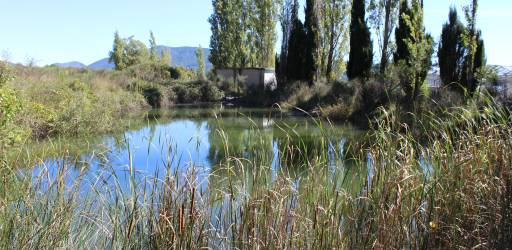
The Mediterranean is shaped by a karst landscape, often described as a limestone desert—a bare, rocky terrain formed under specific climatic conditions. The Dinaric karst is a harsh environment where most water is hidden underground and surface water is rare. In this challenging yet remarkable landscape, only highly adaptable and resilient plant and animal species can survive. Humans adapted as well. To preserve precious water, people began digging ponds and building dry-stone walls around places where water naturally collected. Although ponds are small and often overlooked, they play a vital role as sources of fresh water.
By managing to keep water on the surface, people created small oases around which settlements could survive and where livestock farming and agriculture could develop. Ponds were places where domestic animals drank and where water was taken to irrigate fields and gardens. In the past, when ponds were maintained in the traditional way and before public water systems existed, pond water was also used for drinking, cooking, bathing, and washing clothes. Although ponds were created out of necessity, they were built carefully and in harmony with nature, which had a positive impact on overall karst biodiversity. Over time, many plant and animal species made these ponds their home, turning them into lively, diverse ecosystems and places to enjoy nature.
In and around ponds, a wide variety of plants grow, while many animals buzz, croak, and rustle in search of water, food, and shelter. Water, stone, soil, plants, and animals exist here in balance, each playing an important role. Some ponds may not appear rich in biodiversity at first glance, yet they are still essential for many species. They serve as watering sites for wildlife and as places where birds rest and breed along their migration routes.
Today, however, ponds are used less and less, and the tradition of maintaining them has largely faded. Modern water supply systems have made it easier to provide homes with water for drinking and washing, to irrigate fields and gardens, and to water livestock. As a result, many ponds have been neglected—overgrown with vegetation, no longer regularly visited by domestic animals, and surrounded by dry-stone walls that are no longer repaired. Some ponds have dried up completely and disappeared. With them, the unique freshwater richness of the Mediterranean karst is also at risk of being lost.
We must not lose these ponds. They are irreplaceable habitats for many plant and animal species and an important part of the Mediterranean’s natural and cultural heritage.
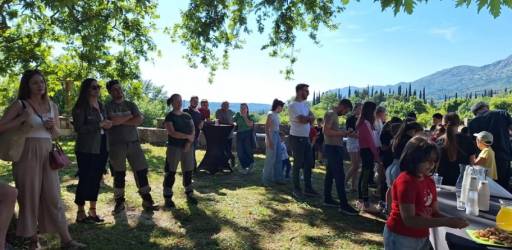
In the spring of 2025, we visited the Konavle Home for the elderly, where, during a warm and pleasant conversation with Ms. Marija Grabac, we heard valuable stories about what life around the Konavle ponds used to be like. View here: